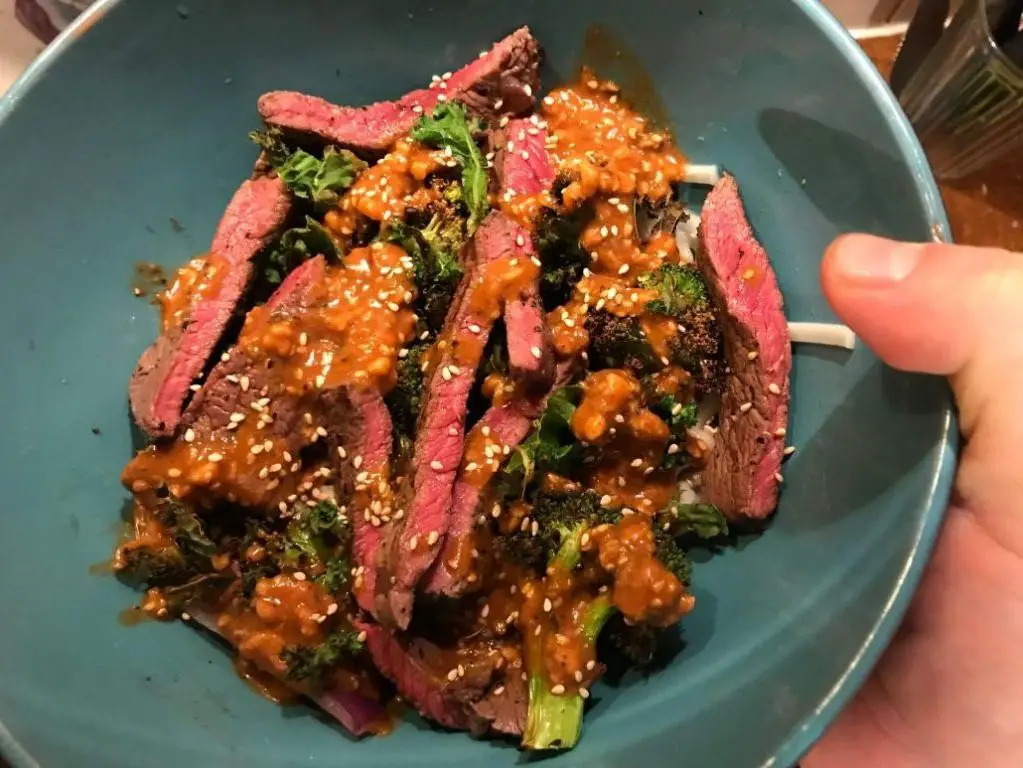
The Secret to Restaurant-Quality Steak: Why Marinade Matters
For many home cooks, achieving that coveted restaurant-quality steak – incredibly tender, bursting with flavor, and perfectly juicy – feels like a culinary mystery. But what if we told you the secret often lies in a simple, yet powerful preparation step: the
steak marinade? A well-crafted marinade isn't just about adding flavor; it's a multi-tasking wonder that can transform an ordinary cut of beef into an extraordinary dining experience.
A great steak marinade works on several fronts. Firstly, it infuses the meat with a symphony of tastes, permeating the surface and often extending deeper into the fibers. Secondly, and critically, it acts as a tenderizer. Acids and certain enzymes found in marinade ingredients gently break down tough muscle fibers, resulting in a more succulent bite. Finally, the fat content in many marinades helps to keep the steak moist during cooking, contributing to that desirable juicy interior. Whether you're grilling a New York strip, pan-searing a ribeye, or slow-cooking a flank steak, a thoughtful steak marinade is truly a game-changer. It's the ultimate tool for elevating your steak game, ensuring every bite is a memorable one.
Essential Ingredients for an Unforgettable Steak Marinade
Crafting the best steak marinade isn't about using a long list of exotic ingredients; it's about understanding the synergistic roles of a few key components. The perfect marinade strikes a delicate balance between acidity, umami, sweetness, and aromatics, ensuring your steak is tenderized and flavored without being overpowered. When selecting your ingredients, prioritize freshness where possible – fresh garlic, for instance, makes a noticeable difference.
Let's break down the essential components that work in harmony:
- Olive Oil: More than just a liquid base, olive oil serves as a crucial fat carrier. It helps to distribute the fat-soluble flavors evenly across the meat and also acts as a barrier, locking in moisture during the cooking process. A good quality extra virgin olive oil enhances the overall richness.
- Soy Sauce: The cornerstone of umami, soy sauce delivers a profound savory depth and crucial saltiness. Its amino acids interact with the meat, enhancing its natural beefy flavor and contributing to a beautiful crust during searing or grilling. For those avoiding gluten, tamari is an excellent, flavor-equivalent substitute.
- Lemon Juice (or other acid): Acidity is vital for tenderization. Lemon juice, with its bright, tangy profile, gently breaks down protein fibers, making the steak more tender. It also provides a refreshing counterpoint to the richness of the meat and other savory ingredients. Other acids like red wine vinegar or apple cider vinegar can also be used, each imparting a slightly different nuance.
- Worcestershire Sauce: This fermented condiment is a powerhouse of complex flavors. It brings a unique blend of savory, sweet, tangy, and subtly spicy notes, thanks to ingredients like anchovies, tamarind, and vinegar. Worcestershire sauce adds an inimitable depth that makes your steak marinade truly stand out.
- Garlic (Minced & Powdered): We believe in a double dose of garlic for maximum impact! Fresh minced garlic provides a pungent, aromatic punch that permeates the meat, while garlic powder offers a more mellow, rounded background note, ensuring a consistent garlic flavor throughout.
- Honey (or other sweetener): Just a touch of sweetness is enough to balance the acidity and saltiness in the marinade. Honey also plays a critical role in promoting caramelization when the steak hits the hot pan or grill, leading to that irresistible golden-brown crust. Maple syrup or brown sugar are fantastic alternatives, each adding their own subtle character.
- Onion Powder: Often overlooked, onion powder provides a subtle, savory background note that complements the garlic and other spices without being too assertive. It adds another layer of aromatic complexity, rounding out the overall flavor profile.
These ingredients, when combined in the right proportions, create a perfectly balanced steak marinade that tenderizes, moisturizes, and deeply flavors your chosen cut of beef, promising a result that rivals your favorite steakhouse.
Crafting Your Marinade: Tips for Perfection
Once you have your essential ingredients, the magic truly begins. Crafting and applying your steak marinade correctly is crucial for achieving optimal results. Here’s how to ensure your steak emerges tender and flavorful every time:
- Whisk with Vigor: Start by combining all liquid and dry marinade ingredients in a bowl. Whisk them vigorously until everything is well incorporated and emulsified. This ensures that every component is evenly distributed, leading to a consistent flavor profile throughout your steak.
- Marinating Time Matters: This is perhaps the most critical factor.
- Thinner Cuts (Flank, Skirt, Sirloin): Marinate for a minimum of 30 minutes, but ideally 2-4 hours. Given their thinner structure, these cuts absorb flavors quickly.
- Thicker Cuts (Ribeye, New York Strip, Porterhouse): Aim for 4-8 hours, or even up to 12 hours for maximum flavor penetration and tenderization.
- Avoid Over-Marinating: While tempting to leave it longer, especially with marinades containing significant acid (like lemon juice), over-marinating can actually turn the meat mushy. Stick to the recommended times to achieve that perfect balance of tenderization without compromising texture.
For more detailed guidance on marinating times and techniques for various cuts, explore our comprehensive guide on Easy Steak Marinade: Unlock Flavor & Tenderize Any Cut.
- Ensure Full Coverage: Place your steak and marinade in a non-reactive dish, a sturdy zip-top bag, or a vacuum sealer bag. Make sure the steak is fully submerged or thoroughly coated on all sides. If using a bag, press out as much air as possible to maximize contact.
- Refrigerate Properly: Always marinate your steak in the refrigerator. Never leave marinating meat at room temperature for extended periods, as this can pose a food safety risk.
- Pat Dry Before Cooking: Before grilling or searing, remove the steak from the marinade and pat it thoroughly dry with paper towels. Excess moisture on the surface will steam the meat rather than sear it, preventing that beautiful, flavorful crust (the Maillard reaction) from forming.
- Discard Used Marinade: Never reuse marinade that has come into contact with raw meat, unless you boil it thoroughly for several minutes to kill any bacteria. It’s safer and highly recommended to simply discard it.
By following these simple yet crucial steps, you’ll be well on your way to cooking a restaurant-quality steak right in your own kitchen.
Elevating Your Steak Marinade: Variations and Customizations
While the foundational recipe provides an incredible base, one of the joys of cooking is the ability to experiment and tailor flavors to your personal preference or the occasion. Your best steak marinade can be a canvas for creativity! Here are some popular variations and how to achieve them:
- Spicy Kick: If you love a bit of heat, incorporating chili flakes, a dash of cayenne pepper, or a teaspoon of your favorite hot sauce (like sriracha or tabasco) into your marinade will add a thrilling dimension. For a smoky heat, try chipotle powder.
- Herb Infusion: Fresh herbs introduce wonderful earthy and aromatic notes. Sprigs of rosemary, thyme, or oregano, either finely chopped or left whole (and removed before cooking), can elevate the marinade significantly. Rosemary pairs beautifully with lamb and beef, while thyme offers a more subtle, woody aroma.
- Gluten-Free Option: As mentioned, swapping out soy sauce for tamari makes your marinade entirely gluten-free without sacrificing any of that crucial umami depth. This is an essential tweak for those with gluten sensitivities or celiac disease.
- Sweet Swaps: Beyond honey, consider maple syrup for a deeper, more complex sweetness with subtle smoky undertones, especially if you're grilling. Brown sugar or agave nectar can also be used, each providing a slightly different caramelization profile.
- Umami Boosters: For an even more profound savory punch, consider adding a tiny amount of mushroom powder, a tablespoon of Miso paste, or even a very small amount of anchovy paste (it melts away into pure umami, not fishiness!). These ingredients multiply the meat's natural flavors.
- Citrus Zest: For an extra layer of brightness and aromatic complexity, add the zest of an orange or lime along with your lemon juice. This can introduce a fragrant top note that truly pops.
Don't be afraid to experiment! The beauty of a great steak marinade is its flexibility. A little culinary bravery can lead to your next signature steak recipe. To dive deeper into these and other creative alterations, check out our guide on
Master Steak Marinade Variations: Spicy, Herb, & Gluten-Free Tips.
Conclusion
Creating a restaurant-quality steak at home is not an elusive dream but an achievable goal, and the secret weapon in your arsenal is a perfectly balanced
steak marinade. By understanding the essential ingredients – the acid for tenderization, the umami for depth, the fat for moisture, and the aromatics for flavor – you can consistently produce steaks that are juicy, tender, and incredibly flavorful. From mastering marinating times to exploring exciting variations, you now have the tools to transform any cut of beef into a culinary masterpiece. So next time you're planning a steak dinner, skip the expensive restaurant and unlock the full potential of your beef with a homemade marinade that's guaranteed to impress.